A $200 Million Bet on Gene-Edited Military Dogs
Warhound has exited stealth with $200 million in funding to breed genetically optimized working dogs equipped with Anduril hardware for military and law enforcement use.
By Fatima Zayed ·
Warhound, a startup co-founded by Colossal Biosciences’ Ben Lamm and Anduril’s Palmer Luckey, emerged from stealth on Thursday with a $200 million funding round. The new capital, valued at $1.2 billion, comes from backers including Sequoia, 8VC, Corner Ventures, and In-Q-Tel, a venture firm supported by U.S. intelligence agencies. The company aims to address a critical supply chain gap by engineering dogs specifically for dangerous military and emergency response tasks.
The business case rests on the fragility of the current working dog market. According to Warhound’s launch materials, more than 80% of the U.S. military’s working dogs are sourced from Europe, and less than half of those imported animals are fit for service. This reliance on foreign supply leaves the U.S. with a dwindling domestic stock of dogs that face high rates of health issues, such as hip dysplasia, poor eyesight, and cancer, often causing them to fail during training.
Lamm and Luckey first connected about a year ago at a conference, where Luckey advocated for better support for military dogs. Following that meeting, Lamm investigated breeding practices and identified that inherited genetic predispositions often undermine a dog’s longevity and utility. The goal is to use gene editing to create a new breed with traits tailored for demanding missions, such as enhanced speed, agility, and olfactory sensitivity for bomb detection. The team has already established a biobank using cell lines from top-performing Belgian Malinois and German Shepherds to begin this genetic work.
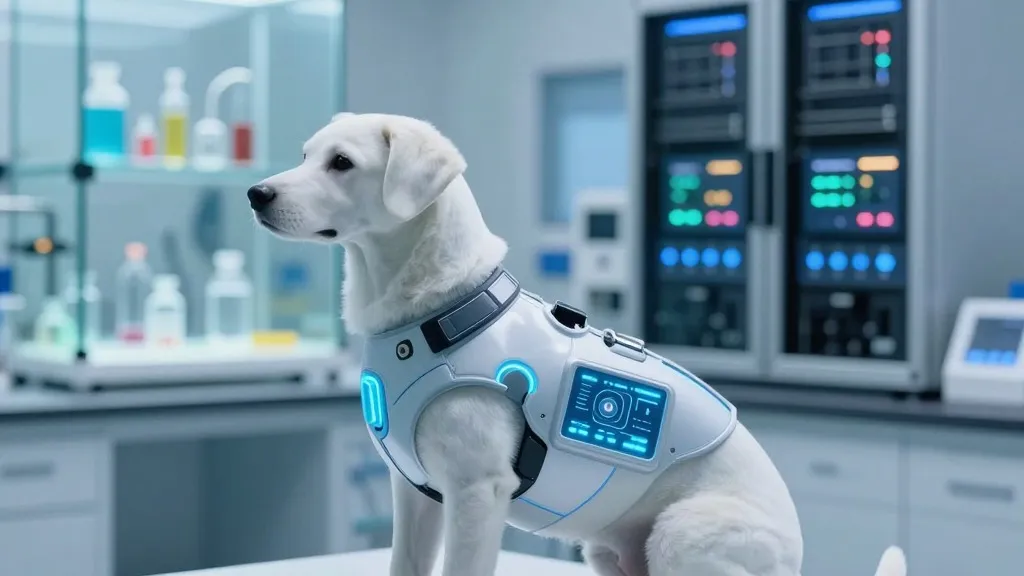
The product will not be a standalone biological asset. Anduril will provide the technological layer, including protection vests and goggles equipped with sensors. This hardware is designed to feed real-time data back to handlers, improving situational awareness and coordination. Lamm described the integration as enhancing the dog “on top, not in,” meaning the gear protects the animal and its handler while the genetics improve the dog’s inherent health and performance capabilities.
Structurally, Anduril is a partner but holds no equity in Warhound. Colossal Biosciences owns equity and licenses its gene-cloning technology to the venture. Colossal, known for its de-extinction efforts like the mammoth and dodo, will collaborate with its sister company, Viagen, to clone the first batch of dogs. Lamm noted that Viagen’s cloning success rates are high, a technology already used in endangered species conservation.
The timeline for market entry is aggressive. The first batch of dogs is slated for cloning and incubation immediately, with births expected in early 2027. The company hopes to have these animals in active service within two years. While pricing has not yet been determined, Warhound plans to sell directly to the Department of Defense, military service groups, police forces, and other first responders. Lamm stated that the company has already briefed numerous government groups on its operations.
To address potential concerns about the welfare of genetically modified animals, Warhound is working under the guidance of the American Humane Society. The organization will help certify the training program and aims to ensure that retired Warhound dogs can enter its Military Working Dog Reunification Program for rehoming. The American Humane Society said in a statement that it looks forward to ensuring the animals are treated humanely, praising the collaboration between Warhound and Colossal.
The next phase involves the physical creation of the first generation of these engineered dogs. As the startup moves from concept to production, it will need to navigate both the technical challenges of gene editing and the bureaucratic hurdles of government procurement, all while proving that a $1.2 billion valuation is justified by a product that does not yet exist.
Source: TechCrunch